
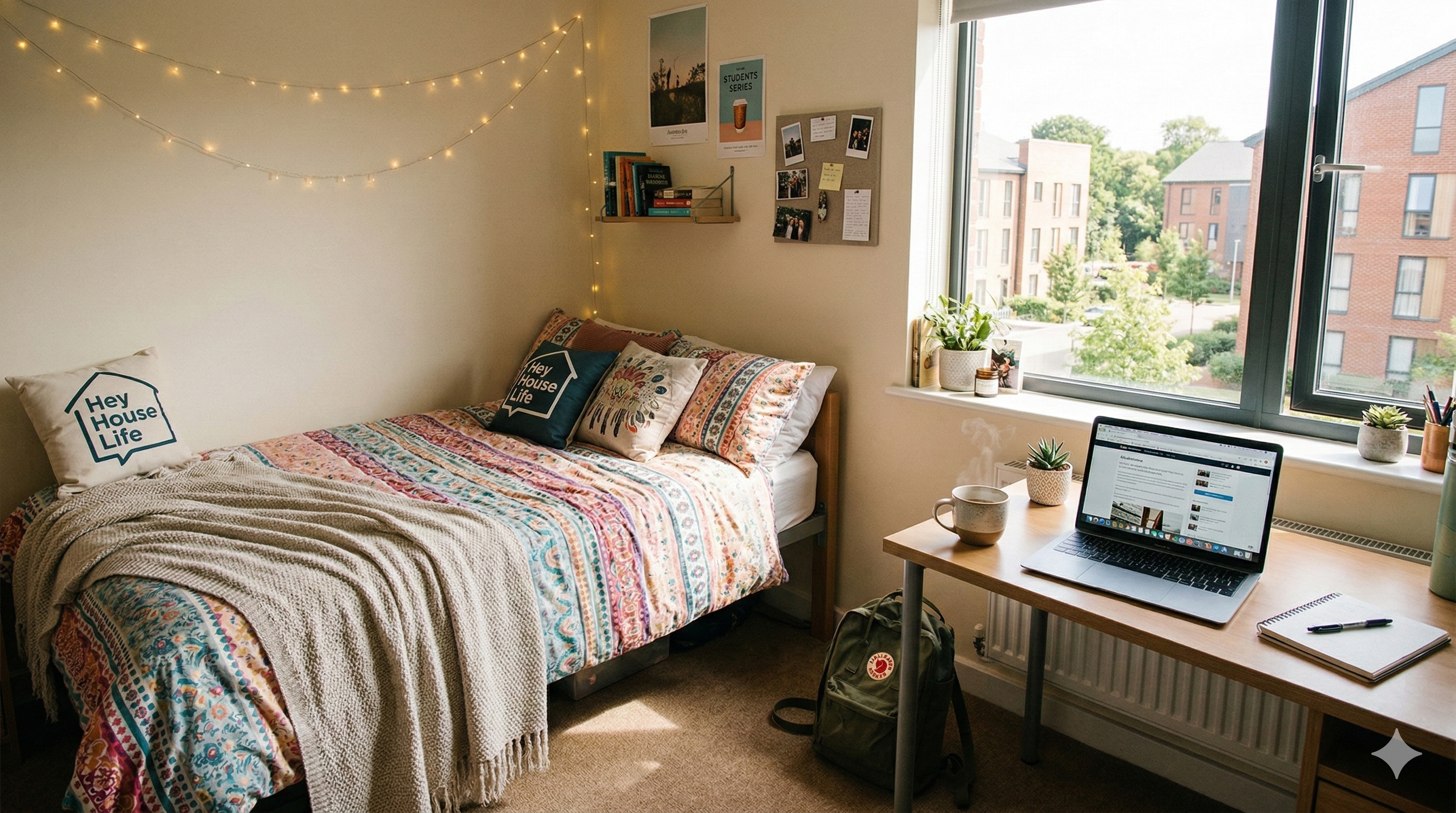
Let’s be honest: finding the right student accommodation can feel totally overwhelming, especially if it’s your first time living away from home. It is completely normal to feel a bit stressed! But with a solid plan and a little organization, you can easily secure a space that fits both your lifestyle and your wallet.
Here is your step-by-step guide to finding your ideal student home without the headache.
1. Nail Down Your Budget
When calculating what you can afford, remember that rent is just one piece of the puzzle. To avoid financial stress later, factor in all your monthly expenses:
Rent: This is your biggest outflow. Set a hard limit for what you can afford and stick to it while browsing listings.
Utilities: Depending on your lease, you might need to cover electricity, gas, water, and Wi-Fi. Ask upfront what is included so you aren't hit with surprise bills.
Living Expenses: Don't forget groceries, public transit, laundry, and basic household supplies.
Emergency Fund: Aim to set aside a little money each month for unexpected costs. Financial a cushion makes independent living much less stressful.

2. Pinpoint the Perfect Location
Where you live dictates your daily routine. Weigh these factors before locking in a neighborhood:
Campus Proximity: Do you want to roll out of bed and walk to class, or do you mind a commute? Living right next to campus is convenient but often pricier, while living further out might save rent but cost you in transit fares and time.
Essential Amenities: Think about your daily needs. Is there a grocery store, pharmacy, or gym nearby?
Vibe: Are you looking for a lively area with nightlife, or a quiet residential street where you can focus?
Transit Links: If you are commuting, ensure you are within a short walk of a reliable bus route or train station.
Safety: Research the neighborhood. Look into local crime rates and make sure you feel secure walking around the area, especially at night.
3. Choose Your Housing Type
Student housing is not one-size-fits-all. Pick the setup that matches your need for privacy and your budget:
Dorms / University Halls: Usually the most budget-friendly and socially active option. They are highly convenient (often on campus) but usually require sharing bathrooms, kitchens, and sometimes bedrooms.
Apartments/Flats: A great middle ground. Renting an apartment—either solo or with a few roommates—offers more independence, your own kitchen, and a quieter environment.
Shared Houses: Ideal if you want maximum space or have an established group of friends. You get a communal living room, a full kitchen, and often a backyard. It can be more expensive and requires managing household bills together, but it offers the most independence.

4. Launch Your Search
The early bird gets the best apartment. Start your search a few months before you need to move using these methods:
Online Portals: Browse student-specific housing websites (like heyhouselife.com) to filter by price, location, and room type.
University Housing Office: Your school is a fantastic resource. They often maintain lists of vetted landlords, available properties, and roommate-matching boards.
Word of Mouth: Ask older students or post in university social media groups. Sometimes the best places are passed down directly from graduating students.
Housing Fairs: Attend university-run housing fairs to meet property managers face-to-face and ask questions on the spot.
5. Inspect the Property (In Person!)
Never sign a lease without seeing the place first, or at least doing a live video tour. When you visit:
Check for Damage: Keep an eye out for peeling paint, water stains, mold, or broken appliances. It shows how well the landlord maintains the property.
Test the Basics: Turn on the taps (check water pressure), flush the toilets, and check for working smoke detectors and fire extinguishers.
Ask the Right Questions:
What utilities are included?
Is the property furnished?
Are there hidden fees or required deposits?
What are the rules on pets or overnight guests?
6. Sign the Contract Safely
A lease is a legally binding contract. Protect yourself by being thorough:
Read the Fine Print: Understand the exact length of the lease, the rent amount, penalty fees, and move-out conditions.
Negotiate: Don't be afraid to ask for better terms, like a minor rent reduction in exchange for signing a longer lease.
Get Everything in Writing: Verbal promises mean nothing. If a landlord promises to buy a new microwave before you move in, ensure it is written into the contract.
Know Your Rights: Familiarize yourself with local tenant laws so you know what repairs your landlord is legally obligated to fix.

7. Relax and Pack!
House hunting is tough, but by figuring out your budget, doing your research, and asking the right questions, you've done the hard part. Once the lease is signed, take a deep breath. You’ve secured your new home—now the fun part of moving in and decorating begins!
The Hey House Life Team